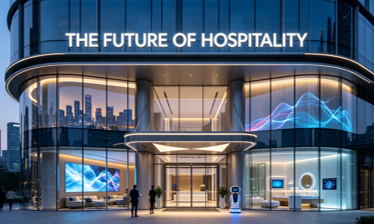
Smart Hotel, Smart Building, and Sustainable Support Systems Technology Overview
The Smart Hotel Smart Building and Sustainable Support Systems focus on the BMS platform and energy-saving equipment. Sensors monitor the building environment, equipment status, and energy consumption, while predefined logic and strategy engines coordinate HVAC, lighting, shading, and fresh-air systems. The system achieves strategy-based energy savings in scenarios such as unoccupied periods and strong sunlight, and supports hotel ESG goals through high-efficiency fan coil units, smart ventilation, and sustainable facilities.
BMS Platform and Sensor Monitoring
The Smart Building System combines a BMS platform with energy-saving equipment to intelligently manage the building environment, energy usage, and supporting facilities. Sensors monitor operational status, environmental conditions, and energy consumption, providing a real-time data foundation for strategy control.
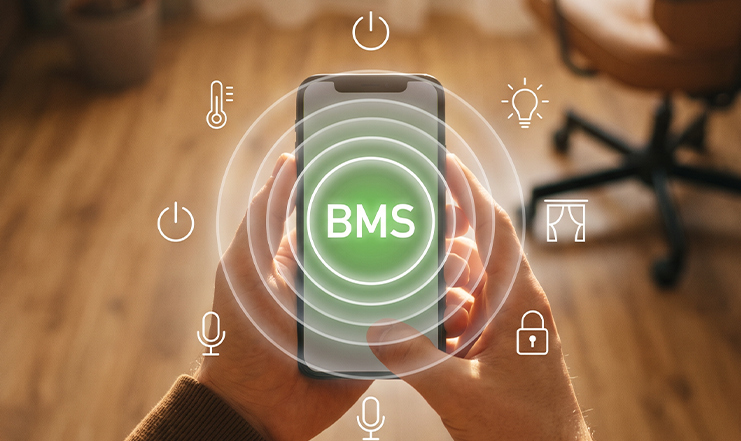
Strategy Engine and Scenario Control
The system uses predefined logic and strategy engines to coordinate HVAC, lighting, blinds, and fresh-air systems. As the control core, the BMS automatically adjusts lighting, HVAC, and blinds according to predefined scenarios. For example, it reduces energy use during unoccupied periods and closes blinds under strong sunlight to decrease cooling load and overall energy consumption.

HVAC, Lighting, and Shading Coordination
The BMS coordinates HVAC, lighting, and shading equipment based on the building environment and operating status. Through scenario-based strategies, the system reduces unnecessary energy consumption while maintaining comfort.
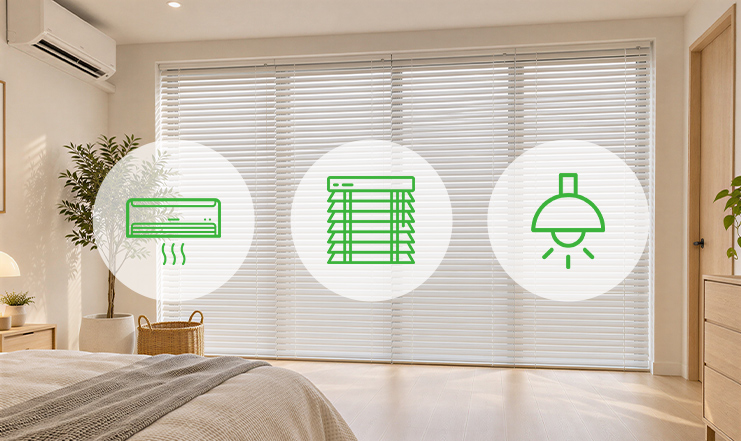
Energy Saving in Unoccupied and Strong-Sunlight Scenarios
During unoccupied periods, the system can reduce lighting and HVAC operating intensity. Under strong sunlight, it can automatically close blinds to reduce solar heat gain and cooling load, thereby lowering air-conditioning energy consumption.

Fresh Air and Indoor Air Quality
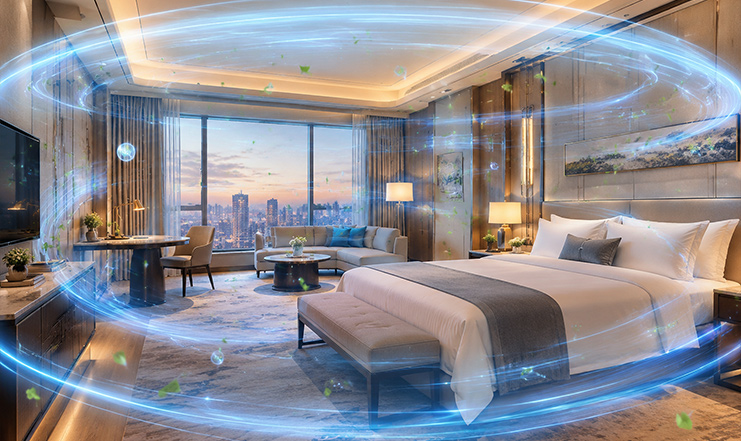
The smart ventilation system purifies viruses, eliminates bacteria, and removes odors, improving indoor air quality and enhancing guest health and safety. The fresh-air system works with BMS strategies to balance air-quality requirements and energy efficiency.
Energy-Saving Fan Coil Units
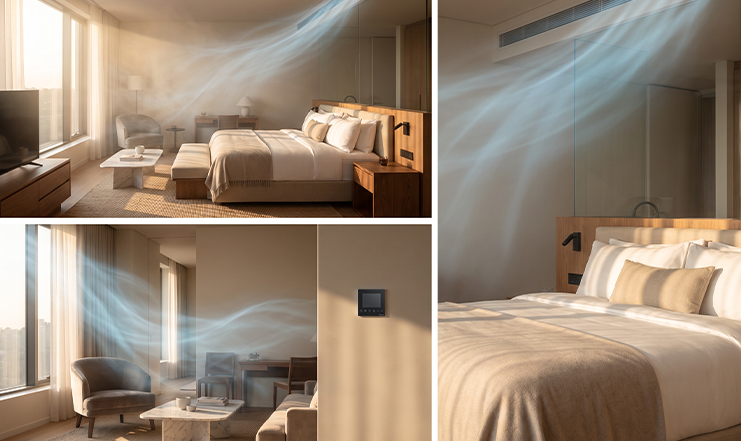
Energy-saving fan coil units save approximately 30% energy compared with traditional systems and are suitable for guest rooms, corridors, and meeting spaces. They can be combined with BMS strategy control to further optimize operation under partial load and unoccupied conditions.
Smart Ventilation and Health Safety
The smart ventilation system improves indoor air quality through purification, sterilization, and odor removal. This capability can be linked with building environment monitoring to provide cleaner indoor air and higher health and safety assurance for hotels.
ESG and Sustainable Operations
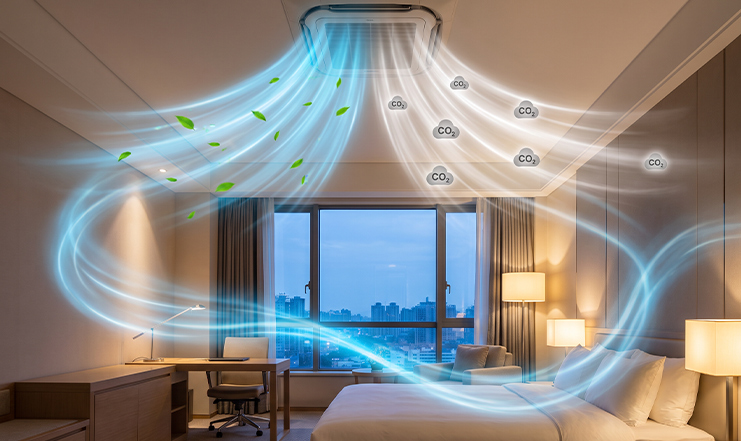
To support sustainability goals (ESG), the system can integrate smart recycling bins, reverse vending machines, and automated laundry facilities to improve recycling efficiency and operational automation, strengthening the hotel’s environmental sustainability performance.
Conclusion
The Smart Hotel Smart Building and Sustainable Support Systems use the BMS as the control core, coordinating building mechanical and electrical systems through sensor monitoring, strategy engines, and energy-saving equipment. The system achieves strategy-based energy savings in unoccupied and strong-sunlight scenarios, and supports hotel ESG goals through high-efficiency fan coil units, smart ventilation, and sustainable facilities, improving building energy efficiency, indoor air quality, and sustainable operations.